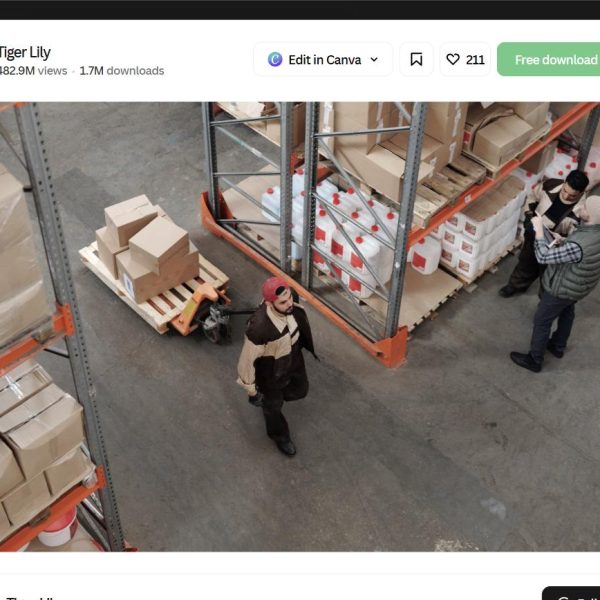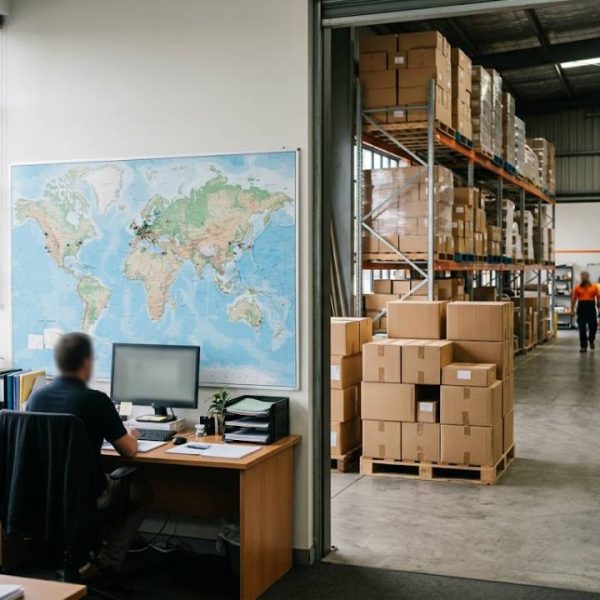

A mid sized appliance manufacturer based outside Rotterdam spent three years quietly building distribution deals across the American Midwest before finally deciding to open a small office in New York. The founder had assumed the hardest part of the expansion would be logistics and warehousing since the product itself had already proven popular with distributors who tested it at trade shows.
The real difficulty turned out to be paperwork that nobody on the founding team had anticipated back when the company was still shipping pallets from a single warehouse near the port of Rotterdam. Contracts and safety certifications and import documentation all needed to exist in English with a level of legal precision that a quick internal translation simply could not deliver.
A junior employee who spoke decent English tried handling the first batch of documents herself and the results were usable but not nearly polished enough for a lawyer reviewing them on the other side of the deal. That near miss convinced the founder that translation needed to become a real line item in the budget rather than something handled between other tasks.
Finding the right partner turned out to matter just as much as recognizing the need in the first place since not every provider could handle both everyday marketing copy and documents that would eventually sit in front of a judge. The company spent weeks comparing options before settling on criteria that actually mattered for a business their size.
The founder later admitted that the search took longer than expected mostly because early conversations with vendors focused entirely on price rather than on the kind of legal nuance the company actually needed most. A cheaper quote looked appealing on paper until a sample translation revealed gaps that would have caused real problems once contracts reached a courtroom or a regulator.
Word of mouth from other European companies already operating in the United States ended up mattering more than any online review or marketing brochure the vendors themselves produced. Several of those companies pointed toward the same handful of providers who specialized in exactly the mix of commercial and legal translation this manufacturer needed.
Setting up the New York office also meant hiring local staff, and employee onboarding became a critical piece of the expansion puzzle. New hires needed to understand both the company's European processes and the specific requirements of the US market, from safety protocols to customer communication norms. The founder learned that structured onboarding reduced costly mistakes in the first months when the team was still finding its footing. Companies planning a similar move should budget time for thorough onboarding alongside the logistical and legal preparations.
Why Picking A Translation Company Is Harder Than It Looks
As the Rotterdam story shows, translation needs rarely end with the first project. Ongoing operations demand a steady hand for everything from HR paperwork to compliance updates. Many expanding firms therefore move from project-based vendors to dedicated corporate translation services that grow with the business. That continuity means new hires, new markets and new documents all get the same careful treatment.
Choosing a translation company sounds like a simple procurement decision until a business realizes how differently providers handle industry specific terminology and legal formatting requirements. The manufacturer tested three vendors on the same contract excerpt before noticing that only one caught a clause that changed liability terms in a way the others had missed entirely.
That test alone justified the extra time spent shopping around since a single missed clause in a supplier contract could have cost far more than any translation invoice the company would ever pay. Smaller businesses often skip this comparison step because it feels like an unnecessary delay when a deal is already moving quickly toward signature.
The founder now recommends running the same test excerpt past every vendor under consideration rather than trusting a sales pitch or a portfolio of past clients alone. A provider willing to do a paid trial run on real content tends to be more confident in its own quality than one that only offers generic case studies.
Certified Documents Become Their Own Project
Opening a physical office in New York introduced a second layer of translation work entirely separate from ordinary business correspondence since certain documents needed formal certification to satisfy local authorities and banking partners. Getting proper certified translation services nyc businesses actually trust meant the company could open a bank account and register its office without delays that had tripped up other European firms making the same move.
A lawyer helping with the office registration mentioned that incomplete or informally translated documents are one of the most common reasons foreign companies get stuck in administrative limbo during their first months in the United States. That warning pushed the founder to treat certification as a non negotiable step rather than a box to check quickly at the end of the process.
The company now keeps a running folder of every certified document it has produced so nothing needs retranslating when a similar request comes up with a different agency or partner down the line. That small habit has already saved time twice when renewing paperwork that referenced the same underlying corporate documents.
What The Data Says About Cross Border Expansion
The Census Bureau reports that foreign direct investment into US manufacturing and distribution has continued climbing even as overall trade volumes fluctuate year to year. That steady interest means more companies like this one are likely to hit the same translation and certification hurdles as they scale into the American market for the first time.
Research from the World Bank has also linked clear cross border documentation practices to measurably faster market entry timelines for small and mid sized exporters. Companies that treat translation as infrastructure rather than an afterthought consistently report shorter delays getting through the regulatory steps that trip up less prepared competitors.
Lessons For Companies Making The Same Leap
Businesses watching this kind of expansion from the sidelines often assume the translation budget belongs somewhere near the bottom of the priority list behind logistics and staffing and marketing. The manufacturer's experience suggests the opposite since a single overlooked contract clause or an improperly certified document can stall an entire office opening for weeks.
Building a relationship with one trusted provider early tends to pay off later when a company needs fast turnaround on an unexpected document during a time sensitive negotiation. Vendors who already understand a business and its terminology w
g the material for the first time under deadline pressure.
The Rotterdam manufacturer now treats its New York office as proof that careful attention to language and documentation can make or break an international expansion regardless of how strong the underlying product might be. Other companies eyeing a similar move would do well to budget for translation early rather than treating it as a detail to solve once the bigger decisions are already locked in.